How to Disappear: 15 Strategic Steps to Protect Your Privacy in 2025
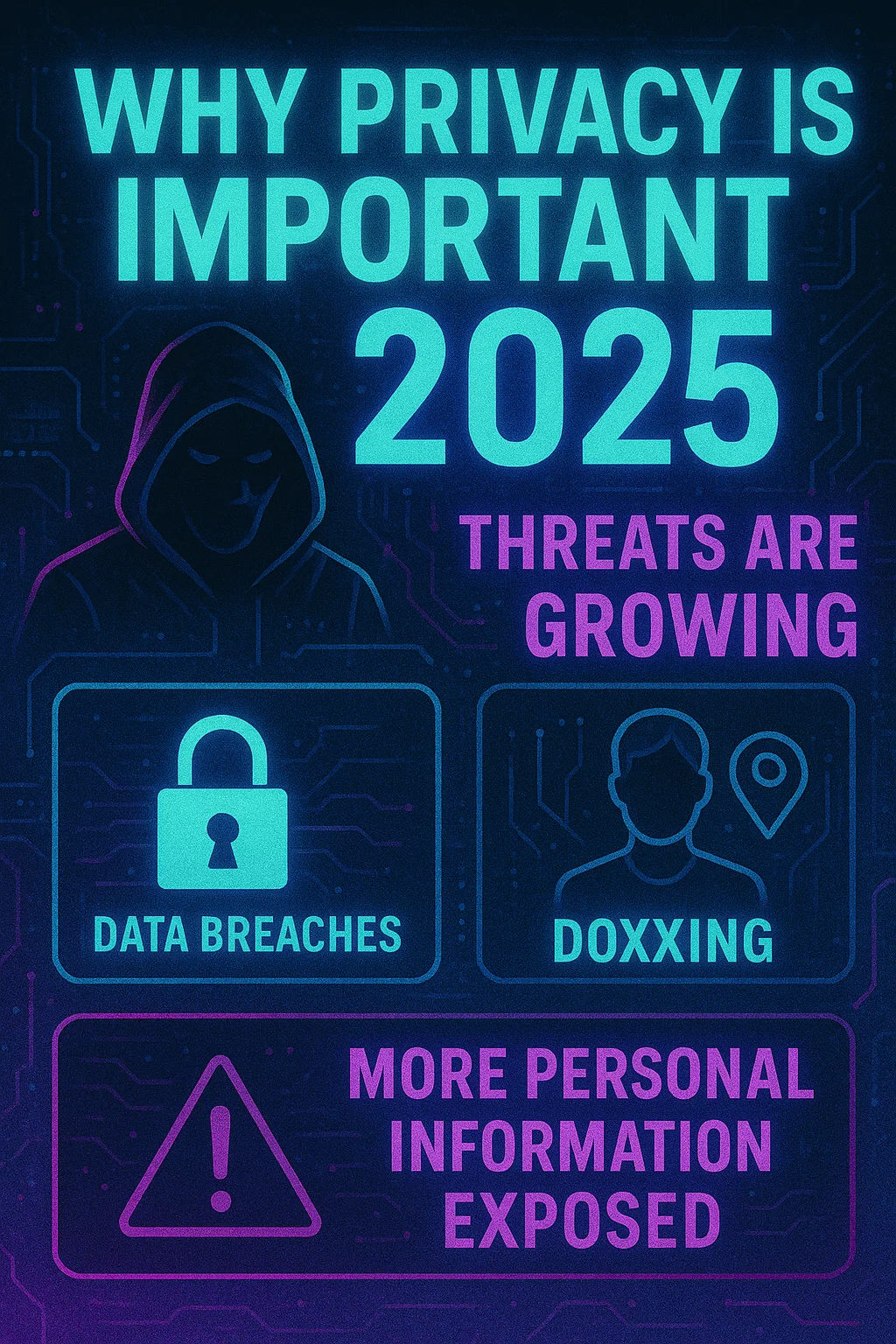
Every 4.9 seconds, someone becomes a victim of identity theft in the United States. That's less time than it takes to read this sentence. By the end of today, over 17,000 Americans will discover their personal information has been stolen, sold, or exploited without their knowledge. Your name, address, phone number, financial records, and even your Social Security number are being auctioned in a shadow economy worth over $332 billion annually. The question isn't whether your data is out there—it's how quickly you can disappear before it's used against you.
<!-- seo-engine:intro-bridge:start -->If you want companion reads while you work through this topic, start with The Complete Guide to Disappearing From the Internet: 12 Strategies to Reclaim Your Digital Privacy in 2025 and How to Disappear: 15 Strategic Steps Americans Must Take to Protect Data Privacy in 2025. If you want a done-for-you plan, book a free exposure audit.
<!-- seo-engine:intro-bridge:end -->In 2025, privacy isn't just important—it's essential to your financial security, personal safety, and fundamental rights. The data broker industry has exploded into a $512 billion market projected by 2033, with over 2,700 companies tracking your every digital move. Meanwhile, data breaches have surged to 1,732 publicly disclosed incidents in just the first half of 2025, exposing billions of records. The erosion of privacy isn't a distant threat; it's happening right now, and the consequences are devastating.
Emergency Doxxing Situation?
Don't wait. Contact DisappearMe.AI now for immediate response.
Call: (646) 484-9051
Email: oliver@disappearme.ai
Our team responds within hours to active doxxing threats.
Why Privacy Matters More Than Ever in 2025
The digital landscape of 2025 has fundamentally transformed how your personal information is collected, analyzed, and weaponized. Unlike previous decades where privacy concerns were theoretical, today's threats are immediate, pervasive, and financially catastrophic. Understanding why privacy protection is critical requires examining the convergence of technological advancement, regulatory fragmentation, and the explosive growth of surveillance capitalism.
The Surveillance Economy Has Reached Critical Mass
The data broker market has experienced explosive growth, expanding from $303.11 billion in 2024 to $332.89 billion in 2025, representing a compound annual growth rate of 9.8%. This isn't just about advertising anymore. Your personal data has become one of the most valuable commodities in the global economy, with projections showing the market will reach $561 billion by 2029. These brokers compile detailed profiles containing hundreds of data points about you—from your shopping habits and financial status to your political beliefs and health conditions.
What makes this particularly dangerous is the sophistication of modern data aggregation. According to recent market analysis, data brokers are now leveraging artificial intelligence and machine learning to create predictive profiles that can infer sensitive information you never explicitly shared. They know where you'll be before you get there, what you'll buy before you decide, and who you'll contact before you reach out. This level of surveillance would have seemed like science fiction a decade ago, but in 2025, it's the standard business model.
The financial incentives driving this industry are staggering. E-commerce sales reached $1.19 trillion in 2024, reflecting an 8.1% increase from the previous year, and every transaction feeds the data broker machine. The demand for personalized data insights, combined with the proliferation of Internet of Things (IoT) technologies, has created an environment where privacy is systematically dismantled in exchange for convenience.
Identity Theft Has Become an Epidemic
The statistics surrounding identity theft in 2025 paint a grim picture. Over 6.4 million identity theft and fraud reports were sent to the Federal Trade Commission in 2024, marking a significant increase from previous years. That translates to one victim every 4.9 seconds—a rate that has accelerated by approximately 12% annually since 2020. The average financial loss per identity theft case has climbed to $1,600 in 2025, up from $1,300 in 2023, and these figures don't account for the hundreds of hours victims spend recovering their identities.
What's particularly alarming is the sophistication of modern identity theft. Synthetic identity fraud, which combines real and fabricated information, now comprises about 30% of all identity fraud cases. Cybercriminals are using machine learning and AI tools to create more convincing and personalized scams, making traditional security measures increasingly ineffective. The shift to digital channels has been dramatic, with online identity fraud cases now representing more than 70% of all identity fraud occurrences.
The demographic data reveals that no age group is safe. While 30- to 39-year-olds report the highest absolute number of cases (accounting for 21% of reports), Baby Boomers suffer the largest losses per incident. Adults aged 60 and over accounted for 24.08% of all identity theft claims in 2023 but experienced about 41.46% of the total financial losses—representing $3.4 billion in damages. This disparity occurs because older adults are more likely to have accumulated significant assets and retirement savings that become targets for sophisticated fraud schemes.
Data Breaches Have Reached Unprecedented Levels
The year 2025 has witnessed some of the most catastrophic data breaches in history. The Chinese Surveillance Network breach exposed 4 billion records in June 2025, making it one of the largest data leaks ever discovered. The National Public Data breach from December 2023 compromised 2.9 billion records, including full names, Social Security numbers, addresses, and phone numbers spanning the US, UK, and Canada. These aren't isolated incidents—they represent a systemic vulnerability in how personal information is stored and protected.
According to the Identity Theft Resource Center, there were 1,732 publicly disclosed data breaches in the first half of 2025 alone, marking a 5% increase over the same period in 2024. The global average cost of a data breach reached $4.88 million in 2024, representing a 10% increase over the previous year. For the financial sector, these costs are even more severe, averaging $6.08 million per incident with a cost per record of $181.
The types of data being exposed have become increasingly sensitive. Recent breaches have included genetic testing company records affecting nearly 7 million people, healthcare systems exposing Social Security numbers and medical details, and financial institutions leaking bank account information and credit card numbers. The Target breach of 2017, which exposed 70 million customer records, resulted in a $1.58 billion reduction in earnings and $292 million in direct costs—illustrating the devastating financial impact these incidents create.
AI and Machine Learning Amplify Privacy Risks
The integration of artificial intelligence into data collection and analysis has created unprecedented privacy challenges. According to Stanford's 2025 AI Index Report, AI-related incidents jumped 56.4% in a single year, with 233 reported cases throughout 2024. These incidents span everything from algorithmic failures to data breaches specifically targeting AI training datasets. The massive amounts of personal data required to train AI models create enormous vulnerabilities, where a single security lapse can expose millions of data points.
Public trust in AI companies has declined from 50% to 47%, reflecting growing awareness about how AI systems use personal information. A Usercentrics report found that 59% of respondents feel uncomfortable when AI models are trained on their data, and more broadly, 62% of people feel that they have become the product rather than the customer. This erosion of trust doesn't exist in isolation—it creates tangible business challenges as customers become reluctant to share information necessary for services and increasingly prefer competitors with stronger privacy credentials.
The ethical questions surrounding AI and privacy are profound. Who takes responsibility when an algorithm discriminates or makes a harmful decision based on your personal data? How can you consent to uses of your information that even the companies collecting it don't fully understand? The EU's AI Act, adopted in 2024 and implemented in 2025, represents the first major regulatory attempt to address these concerns, requiring organizations to integrate privacy safeguards into AI development from the ground up.
The Regulatory Landscape Is Fragmented and Evolving
While privacy regulations have proliferated globally, the landscape in 2025 remains highly fragmented. Eight new U.S. state privacy laws went into effect in 2025, doubling the number of enforceable state privacy laws compared to the previous five years combined. This patchwork approach creates compliance challenges but also reflects growing recognition that privacy protection requires legal backing. Over 80% of the global population is now covered by some form of data privacy law.
However, legislation alone hasn't solved the problem. A comprehensive evaluation of the 19 states that have passed consumer privacy legislation found that nearly half received failing grades, and none received an A. The challenge isn't just passing laws—it's enforcing them effectively and ensuring they keep pace with technological change. The UK's Information Commissioner's Office review of the top 1,000 most-visited UK websites found 134 of 200 sites in violation of cookie compliance requirements, demonstrating widespread non-compliance even in jurisdictions with mature privacy frameworks.
The introduction of the DOJ rule on cross-border data sharing under Executive Order 14117 has set strict rules on who can access sensitive US data, where it can go, and how companies must protect it. Meanwhile, the EU's "ProtectEU" initiative seeks to enable lawful access to encrypted data for law enforcement by 2030, raising new concerns about the balance between security and privacy. These competing regulatory approaches create uncertainty for businesses and individuals alike, making it difficult to implement consistent privacy protections.
Social Media and Tracking Technologies Erode Privacy Daily
Social media platforms and online tracking technologies have fundamentally transformed how personal information is collected and exploited. The core privacy risks on platforms like Facebook and Twitter include extensive data collection, targeted advertising, behavioral tracking, and security breaches that expose user information to cybercriminals. When you sign up for social media, you're required to provide personal information like your name, email, birthdate, interests, and location—all of which is then stored, analyzed, and used for various purposes.
The scope of this tracking extends far beyond social media. Research shows that 2,700 companies track your every click online, building profiles more detailed than your closest friends know about you. Nearly 50% of websites use "intractable cookies" that continue to track users even after consent is declined. Third-party cookies remain enabled in Chrome by default as of mid-2025, despite years of promises to phase them out. This creates a surveillance infrastructure that follows you across the internet, aggregating information from multiple sources to build comprehensive behavioral profiles.
The privacy hazards are compounded by platform consolidation, which has enabled some social media companies to acquire competitors, exercise monopolistic power, and severely limit the rise of privacy-protective alternatives. Personal data held by social media platforms is vulnerable to being accessed and misused by third parties, including law enforcement agencies, advertisers, and cybercriminals. The Cambridge Analytica scandal exposed how Facebook allowed the unlawful transfer of 87 million user records, demonstrating that regulatory enforcement has often been inadequate to protect consumer rights.
The Real Costs of Privacy Loss Are Financial, Professional, and Personal
The consequences of privacy violations extend far beyond inconvenience. Organizations face average costs of $4.5 million per ransomware incident with 60 days of business disruption. Small businesses can expect to pay between $120,000 and $1.24 million to respond to and resolve a security incident. For individuals, the impact manifests in multiple ways: direct financial losses from fraud, hundreds of hours spent recovering compromised identities, damaged credit scores, lost job opportunities, and emotional distress from harassment or stalking.
The professional impact of privacy loss is particularly severe. Many employers admit to checking candidates' social media profiles as part of the hiring process, and the lack of privacy on social media can impact careers if employers make employment decisions based on what they see online. For professionals in fields like finance, healthcare, and technology, privacy breaches can expose confidential client information, violate regulatory requirements, and result in career-ending lawsuits.
Personal safety is also at risk. Real-time location tracking through social media geotagging means it's possible to track a user's location at any given time, creating opportunities for stalking, burglary, and physical threats. October is both National Cybersecurity Awareness Month and Domestic Violence Awareness Month, and research shows that most people experiencing intimate partner violence have reported being tracked by spyware, social media, or dating websites. The intersection of privacy and safety makes protection strategies essential for vulnerable populations.
Understanding the Data Privacy Threat Landscape
Before you can effectively disappear from the digital surveillance ecosystem, you need to understand how your information is collected, aggregated, and exploited. The modern data privacy threat landscape is complex, involving multiple actors with different motivations and capabilities. From data brokers and advertisers to cybercriminals and government agencies, numerous entities have financial or operational incentives to collect and analyze your personal information.
How Data Brokers Collect and Sell Your Information
Data brokers operate in what many privacy advocates call a "shadow market"—a largely invisible industry that collects, analyzes, and sells detailed profiles of hundreds of millions of people. These companies gather information from public records, social media platforms, online shopping behavior, mobile app usage, and thousands of other sources. They then aggregate this data to create comprehensive profiles that include your demographics, financial status, purchasing habits, political beliefs, health conditions, and even psychological characteristics.
The sophistication of modern data brokerage is remarkable. Companies like Acxiom and Experian maintain profiles on virtually every American adult, with some databases containing over 5,000 data points per person. In January 2025, Experian launched a third-party data marketplace that allows marketers to effectively combine third-party and first-party data, enabling unprecedented levels of audience segmentation and campaign personalization. This integration of multiple data sources creates profiles of such granular detail that they can predict your behavior with unsettling accuracy.
What makes this industry particularly problematic is its opacity. Most consumers have no idea which data brokers hold information about them, what specific data points they've collected, or how that information is being used. Recent investigations have revealed that data brokers sell profiles of military personnel and government officials, creating significant national security risks. They use "dark patterns"—intentionally deceptive website designs—to hide opt-out pages from search engines, making it nearly impossible for individuals to remove their information without professional assistance.
The business model is straightforward: aggregate massive amounts of personal data, enrich it with predictive analytics, and sell access to marketers, insurers, employers, landlords, and anyone else willing to pay. The market has grown from $277.97 billion in 2024 to a projected $512.45 billion by 2033, driven by rising demand for big data analytics and the growing adoption of AI and machine learning technologies. This financial incentive structure ensures that data brokers will continue to expand their collection capabilities unless actively constrained by regulation or individual action.
The Mechanics of Online Tracking and Surveillance
Online tracking operates through multiple interconnected technologies that work together to monitor your digital behavior. Cookies—small text files stored on your device—are the most well-known tracking mechanism, but they represent just one component of a sophisticated surveillance infrastructure. First-party cookies are set by websites you visit directly and typically serve functional purposes like remembering your login status. Third-party cookies, however, are set by external domains and can track you across multiple websites, building comprehensive profiles of your browsing behavior.
Despite years of discussion about phasing out third-party cookies, they remained enabled in Chrome by default as of mid-2025, and Google has repeatedly postponed their deprecation. This delay maintains the status quo for the advertising industry, which relies heavily on cross-site tracking for targeted advertising. The situation is further complicated by "supercookies"—advanced tracking mechanisms that respawn across multiple storage vectors like IndexedDB, Flash, Canvas, and local storage to persist despite deletion attempts.
A June 2025 study revealed that nearly 50% of websites use "intractable cookies" that continue to track users even after consent is declined. These findings illustrate how technological workarounds challenge the essence of informed consent. Even when users explicitly reject tracking, consent management platform (CMP) banners often correlate with higher prevalence of such tracking, suggesting that compliance mechanisms are being exploited to maintain surveillance capabilities.
Beyond cookies, tracking technologies include browser fingerprinting, which identifies users based on unique combinations of browser settings, device characteristics, and installed fonts. IP address logging tracks your geographic location and internet service provider. Tracking pixels embedded in emails and web pages report when and where content is viewed. Mobile advertising IDs follow you across apps on your smartphone. The combination of these techniques creates a multi-layered surveillance system that's extremely difficult to evade without comprehensive privacy measures.
Social Media as a Privacy Vulnerability
Social media platforms represent one of the most significant privacy vulnerabilities in the modern digital landscape. These services are designed to encourage maximum disclosure of personal information, and their business models depend on transforming that information into advertising revenue. When you use social media, you're not the customer—you're the product being sold to advertisers.
The privacy risks on social media are multifaceted. Data mining for identity theft allows scammers to gather usernames, addresses, email addresses, and phone numbers to target users with phishing scams. Even if an account is set to private, advertisers and scammers can obtain sensitive data including status updates, religious beliefs, profile information, location data, personal interests, and shared content. The networked nature of social media creates additional vulnerabilities—if your friend's account is compromised, information you shared with them can be exposed to attackers.
Privacy setting loopholes mean that social media accounts may not be as private as users think. If you share something with a friend and they repost it, their friends can also see the information, exposing your content to a completely different audience. Even closed groups may not be completely private because postings can be searchable, including any comments. The "Mosaic Effect" describes how harmless pieces of information can be assembled to create a revealing picture or form assumptions about you—information that, once posted, cannot be truly retracted even if deleted.
Real-time location tracking through geotagging and check-ins creates physical security risks. Publishing details about vacations, work schedules, or daily routines can enable stalking, burglary, or other crimes. The massive stores of personal data that social media platforms collect and retain are vulnerable to hacking, scraping, and data breaches, particularly if platforms fail to institute critical security measures. Depending on the network, the data at risk can include location information, health information, religious identity, sexual orientation, facial recognition imagery, private messages, and personal photos.
Cybersecurity Threats That Exploit Personal Data
The convergence of data aggregation and cybersecurity threats has created a perfect storm for privacy violations. Cybercriminals specifically target the vast repositories of personal information maintained by data brokers, retailers, healthcare providers, and financial institutions because a single successful breach can yield millions of valuable records. The average data breach in 2025 exposed sensitive information on thousands or millions of individuals, with the largest incidents compromising billions of records.
Phishing attacks have become increasingly sophisticated, leveraging personal information harvested from data breaches to create convincing impersonation schemes. Attackers use details like your employer, recent purchases, family relationships, and communication patterns to craft messages that appear legitimate. Business Email Compromise (BEC) attacks impersonate executives or trusted partners to trick employees into transferring funds or revealing confidential information, with average costs of $4.9 million per incident.
Ransomware attacks have evolved to include data theft alongside encryption, creating "double extortion" scenarios where attackers threaten to publish stolen information if ransom demands aren't met. The average cost of ransomware demand reached $1.54 million in 2023, almost double the $812,380 average in 2022. These attacks specifically target organizations with valuable personal data—healthcare systems, financial institutions, government agencies, and retailers—because the reputational and regulatory consequences of data exposure increase pressure to pay ransoms.
Malware distribution through social media and compromised websites can install spyware on devices, giving hackers access to everything from login credentials and financial information to real-time communications and location data. The proliferation of Internet of Things (IoT) devices has expanded the attack surface, with IoT-based fraud projected to increase 25% by 2025. Smart home systems, wearable devices, and connected vehicles all collect personal information and create new vulnerabilities if not properly secured.
Government and Law Enforcement Access to Personal Data
Government access to personal data represents a distinct category of privacy concerns. While cybercriminals seek to exploit your information for financial gain, government agencies collect and analyze personal data for surveillance, law enforcement, and national security purposes. The scope and legality of these activities vary by jurisdiction, but the trend toward increased government surveillance is global.
In the United States, various agencies have authority to collect personal information through legal processes like subpoenas, warrants, and National Security Letters. The DOJ's bulk sensitive data rule, effective April 8, 2025, requires U.S. businesses to document "good faith efforts" to avoid sharing sensitive data with countries of concern including China, Russia, and Iran. However, this regulation primarily addresses data flowing to foreign governments rather than limiting domestic collection.
Law enforcement agencies increasingly purchase personal information from data brokers rather than obtaining warrants, exploiting a legal gray area around the third-party doctrine. Recent investigations revealed that data brokers sell detailed location data, browsing histories, and personal communications to government agencies, creating a backdoor surveillance system that bypasses constitutional protections. This practice has raised concerns among civil liberties advocates who argue it undermines Fourth Amendment protections against unreasonable searches.
The global landscape is similarly concerning. The EU's "ProtectEU" initiative seeks to enable lawful access to encrypted data for law enforcement by 2030, potentially weakening end-to-end encryption protections. China, Russia, and other authoritarian regimes have implemented data localization requirements that mandate storing citizen data within national borders, facilitating government surveillance and control. Countries like India and Brazil are actively pursuing similar legislation, creating a fragmented digital environment where data sovereignty takes precedence over privacy rights.
Strategic Methods to Disappear From Data Brokers
Removing your personal information from data brokers is one of the most effective steps you can take to protect your privacy in 2025. However, this process is complex, time-consuming, and requires persistent effort. Data brokers don't make it easy to opt out—many use intentional dark patterns to hide opt-out mechanisms, and even successful removals often need to be repeated as information reappears in databases.
Identifying Which Data Brokers Have Your Information
The first challenge in removing yourself from data brokers is determining which companies actually hold your information. With hundreds of data broker operations and people-search sites active in 2025, this discovery process can be overwhelming. Start by searching for your name, phone number, and address on major people-search websites like Whitepages, Spokeo, BeenVerified, and PeopleFinders. Document every site where your information appears, including screenshots and URLs.
Different data brokers specialize in different types of information. Some focus on basic contact details and public records, while others aggregate financial data, purchase histories, online behavior, or social media activity. The most comprehensive profiles exist at major data brokers like Acxiom, Experian, LexisNexis, and CoreLogic, which maintain detailed dossiers on hundreds of millions of people. Consumer-facing sites represent just the tip of the iceberg—many data brokers operate exclusively in the business-to-business space and never show information publicly.
To conduct a thorough search, use variations of your name, previous addresses, phone numbers from different periods of your life, and email addresses you've used. Include maiden names, nicknames, and common misspellings. Search from different geographic locations or using VPNs, as some data broker sites show different results based on the searcher's location. Document the specific data points each site displays—this information will be necessary when submitting opt-out requests.
Consider using specialized search tools designed to identify where your personal information appears online. While this guide doesn't recommend specific commercial services, many privacy-focused organizations maintain lists of known data brokers and opt-out links. The state data broker registries in California, Oregon, Vermont, and Texas provide official lists of registered data brokers operating in those jurisdictions. These registries can serve as starting points for identifying companies that may hold your information.
The Manual Opt-Out Process: Step-by-Step
Once you've identified which data brokers hold your information, the opt-out process begins. Each data broker has its own removal procedure, and none of them make it simple. Most require you to navigate to a specific opt-out page (often deliberately hidden from search engines), verify your identity, and submit a removal request. The entire process for a single site typically takes 10-20 minutes, and there are over 190 major data broker sites to address.
Navigate to each identified site and locate their opt-out or privacy policy page. This information is often buried in footer links, privacy policies, or help sections. Some data brokers require you to create an account before you can request removal—an ironic requirement that involves providing additional personal information to remove existing information. Others use verification processes that include answering personal questions based on your data to confirm identity, further demonstrating the depth of information they've compiled.
When submitting opt-out requests, be prepared to provide specific information about which listing you want removed. Data brokers often maintain multiple profiles for the same person (associated with different addresses, phone numbers, or family members), so you may need to submit separate requests for each listing. Take screenshots of completed opt-out requests and any confirmation numbers or emails you receive. This documentation becomes crucial if information reappears or if you need to escalate complaints to regulators.
The timeline for removal varies by company. Some data brokers process requests within days, while others take weeks or months. Many sites state that removal can take 30-90 days as they update their databases and stop sharing information with partner sites. However, removal is often not permanent. Data brokers continuously refresh their databases from public records and other sources, so your information may reappear months after successful removal. This reality makes ongoing monitoring essential.
Understanding Re-Population and the Need for Ongoing Monitoring
One of the most frustrating aspects of removing information from data brokers is re-population—the phenomenon where your data reappears in databases even after successful removal. This occurs because data brokers continuously collect information from public records, commercial data sources, and partner networks. Unless you can stop information at the source (which is often impossible for public records), it will eventually find its way back into broker databases.
Re-population timelines vary but typically occur within 3-6 months of removal. Some data brokers have policies stating they will not re-add information once removed, but enforcement of these policies is inconsistent. Others explicitly warn that opt-outs only remove current listings and do not prevent future listings from being created if new information becomes available. This means that comprehensive privacy protection requires ongoing monitoring and repeated opt-out requests.
To manage re-population, establish a quarterly monitoring schedule. Every three months, search for your information on the major data broker sites where it previously appeared. If listings have returned, submit new opt-out requests using the same procedures as before. Keep records of each removal request including dates, confirmation numbers, and any correspondence. This documentation can be valuable if you need to file complaints with state attorneys general or consumer protection agencies.
The time investment required for ongoing monitoring is substantial. If you're targeting 100+ data broker sites and re-checking quarterly, you're looking at 40-60 hours per year just for monitoring and opt-out submissions. This doesn't include time spent on initial research, documentation, or dealing with sites that make the process deliberately difficult. For many people, the opportunity cost of this time investment exceeds the cost of professional privacy services that automate the process.
Leveraging Legal Rights Under Privacy Regulations
Privacy regulations in 2025 provide legal mechanisms to request data deletion, though the effectiveness of these rights varies by jurisdiction. If you're a California resident, the California Consumer Privacy Act (CCPA) grants you the right to request that businesses delete personal information they've collected about you. Similar rights exist under the Virginia Consumer Data Protection Act (VCDPA), Colorado Privacy Act (CPA), and other state privacy laws.
To exercise these rights, identify which data brokers fall under the jurisdiction of privacy laws applicable to you. Most major data brokers that serve U.S. customers must comply with state privacy laws where they operate. Submit formal data deletion requests citing the specific statute you're invoking. Many companies have designated web forms or email addresses for privacy rights requests. Your request should clearly state that you're exercising your legal right to deletion under applicable privacy law and should include sufficient information to identify your data.
Under most privacy laws, companies have 30-45 days to respond to deletion requests. They may request additional information to verify your identity, but they cannot require you to create an account or provide information beyond what's necessary for verification. If a company denies your deletion request, they must provide a reason. Valid reasons for denial are limited—typically to situations where retention is required by law, necessary to complete a transaction, or needed for security purposes.
If a data broker refuses to honor your deletion request or fails to respond within the statutory timeframe, you have several options for escalation. File a complaint with your state attorney general's office, which has enforcement authority over privacy law violations. California, Virginia, Colorado, and other states with comprehensive privacy laws have established dedicated processes for privacy complaints. You can also submit complaints to the Federal Trade Commission, which has jurisdiction over deceptive trade practices.
Working With Specialized Privacy Services
Given the complexity and time investment required for comprehensive data broker removal, many individuals opt to work with specialized privacy services. These companies automate the discovery, opt-out, and monitoring processes, handling the bureaucratic burden on your behalf. Professional services typically cost between $100-300 per year for individual coverage, which is often less than the opportunity cost of doing it yourself when you factor in the 40-60 hours of annual time investment.
When evaluating privacy services, assess several key factors. First, examine which data brokers they monitor and remove information from. Comprehensive services should address 150+ sites, including both consumer-facing people-search sites and B2B data brokers. Second, verify their removal methodology—do they actually submit opt-out requests on your behalf, or do they simply provide instructions for you to follow? Third, understand their monitoring frequency and re-removal policies. The best services continuously monitor for re-population and automatically submit new opt-out requests as needed.
Privacy services offer several advantages beyond time savings. They maintain expertise about which data brokers are most problematic, which opt-out procedures actually work, and how to navigate verification requirements. They can monitor for your information appearing on new data broker sites that emerge. They provide ongoing protection rather than one-time removal, addressing the re-population challenge systematically. For individuals with elevated privacy concerns—executives, public figures, law enforcement, domestic violence survivors—professional services often provide additional protection layers like suppression of addresses from public records where legally possible.
However, privacy services aren't a complete solution. They typically cannot remove information from public records sources like property deeds, voter registrations, or court filings. They may have limited effectiveness against data brokers that operate exclusively in the B2B space. And they cannot prevent future data collection if you continue engaging in behaviors that generate trackable information. Think of privacy services as one component of a comprehensive privacy strategy, not a magic bullet that solves all privacy concerns.
Removing Personal Information From Search Engines
Search engines like Google, Bing, and Yahoo serve as the primary gateway through which personal information is discovered online. Even if you successfully remove data from source websites, that information may persist in search engine caches and results for weeks or months. Addressing search engine exposure is therefore a critical component of any strategy to disappear online.
Google's Content Removal Process
Google has implemented specific policies for removing personally identifiable information (PII) from search results. The company's "Results about you" tool allows individuals to request removal of certain types of sensitive information. Qualifying content includes personal contact information like phone numbers, email addresses, or physical addresses when they appear as part of doxxing content; non-consensual explicit imagery; confidential login credentials; images of handwritten signatures or government-issued ID documents; and certain financial or medical information.
To initiate a removal request, navigate to Google's removal tool or search for "Google remove personal information." The process requires you to submit URLs of the pages displaying your information along with screenshots of the specific content you want removed. Google will review your request and may ask for additional information or clarification. The company typically responds within a few days, though complex cases may take longer.
It's critical to understand what Google will and won't remove. Google only removes specific types of PII that meet their policy criteria. They won't remove information that appears on government websites, court records, or news articles unless it meets specific exceptions. Simply appearing in search results isn't grounds for removal—the information must fall into one of the protected categories and must create genuine risks if it remains accessible.
If Google approves your removal request, they will delist the specific URLs from search results. However, this doesn't delete the information from the source website—it only prevents those pages from appearing in Google search results. If you haven't also contacted the website owner to remove the information at the source, it may still be accessible through direct links, other search engines, or web archives. This is why a comprehensive approach requires addressing both search engines and source websites.
Bing, Yahoo, and Alternative Search Engines
While Google dominates search with over 90% market share, other search engines also index personal information and require separate removal processes. Bing and Yahoo have their own content removal policies and procedures, though they're generally less sophisticated than Google's system.
For Bing and Yahoo, start by searching for yourself on each platform and documenting URLs where your personal information appears. Collect screenshots showing exactly what information is displayed. Then reach out to the webmasters of each site displaying your data and request removal at the source. Once source websites remove the information, search engines will eventually update their indexes during routine crawling—though this can take weeks or months.
Both Bing and Yahoo have web forms for reporting content that violates their terms of service or contains personally identifiable information. These forms typically require you to provide the specific URLs, explain what information needs removal, and justify why it should be delisted. The criteria are generally similar to Google's—focusing on PII that creates identity theft risks, doxxing content, non-consensual intimate images, and financial information.
Alternative and privacy-focused search engines like DuckDuckGo, Startpage, and Brave Search present different considerations. These services generally don't maintain their own indexes but instead aggregate results from larger search engines while adding privacy protections. DuckDuckGo, for example, sources results from multiple engines including Bing. This means that if you successfully remove content from Google and Bing, it should eventually stop appearing in alternative search engine results as well.
Addressing Web Archives and Cached Content
Search engine removal requests only address current search results—they don't remove cached or archived versions of web pages that may contain your personal information. Web archives like the Wayback Machine, Archive.today, and various caching services maintain historical snapshots of websites, preserving information long after it's been removed from the live internet.
The Internet Archive's Wayback Machine is the largest and most well-known web archive, containing over 866 billion web pages captured since 1996. If your personal information appeared on a website at any point when the Wayback Machine crawled it, that snapshot remains in the archive even after the live site removes the content. To request removal from the Wayback Machine, you need to contact the Internet Archive directly and provide specific URLs of archived pages containing your information.
The Wayback Machine has policies for removing content in certain circumstances, particularly when the content contains personal information that creates privacy or security risks. However, they balance removal requests against their mission of preserving internet history. Academic research, news articles, and historically significant content are less likely to be removed even if they contain personal information. The Archive is more likely to honor removal requests for people-search sites, personal blogs, social media profiles, and other content without significant historical value.
Other web archiving services like Archive.today, Ghost Archive, Perma.cc, and WebCite also maintain copies of web pages. Each service has its own removal policies and procedures. Some require DMCA takedown notices, others accept direct removal requests, and some have no removal process at all. Comprehensive privacy protection requires systematically addressing each major archiving service—a time-consuming process that may require legal assistance for particularly stubborn archives.
Google's cached versions of web pages present an additional challenge. When Google indexes a page, it stores a snapshot that remains accessible even after the live page changes or disappears. Google cache typically updates within a few days to weeks, so recently removed content may still be accessible through cached versions. You can request expedited cache removal by using Google's URL removal tool, but this only works for pages you control or have authorization to manage.
Securing Your Digital Footprint Going Forward
Once you've addressed existing search engine exposure, implement strategies to minimize future appearances of personal information in search results. Start by auditing your digital footprint—search for every variation of your name, email addresses, phone numbers, and usernames across multiple search engines. Set up Google Alerts for your name and other identifying information so you're notified when new content appears.
Review and tighten privacy settings on all social media accounts. Configure profiles to be private or friends-only rather than public. Disable search engine indexing options where available—most social media platforms offer settings that prevent search engines from crawling your profile. Remove or restrict access to old posts, photos, and comments that contain personal information or appear in search results.
Be strategic about what personal information you share online going forward. Use separate email addresses for different purposes—one for financial accounts, another for shopping, a third for social media, and so on. This compartmentalization limits the ability of data brokers and search engines to build comprehensive profiles by connecting information across platforms. Consider using phone number masking services and virtual credit cards for transactions to avoid exposing your real contact information and financial details.
Implement robots.txt files and meta tags on any websites or blogs you control to prevent search engine indexing of pages containing personal information. The "noindex" meta tag tells search engines not to include a page in their index, while "nofollow" prevents them from following links on the page. While these techniques don't remove existing indexed content, they prevent future crawling and indexing.
Implementing Strong Digital Security Practices
Removing existing personal information from data brokers and search engines addresses only half of the privacy equation. To maintain your privacy and prevent new information from being collected, you need to implement robust digital security practices that minimize data leakage from your everyday activities.
Encryption and VPN Protection
Virtual Private Networks (VPNs) encrypt your internet traffic and mask your IP address, making it significantly harder for websites, advertisers, internet service providers, and potential attackers to track your online activities. When you connect to a VPN, your data is routed through an encrypted tunnel to a remote server before reaching its destination. This prevents anyone monitoring your network connection from seeing what websites you visit or what data you transmit.
Modern VPNs in 2025 should use strong encryption protocols like AES-256 (via OpenVPN) or ChaCha20 (via WireGuard), which provide maximum protection currently available against decryption attempts. The IKEv2 protocol has become preferred for modern deployments due to its streamlined design, improved security, and support for advanced cryptographic algorithms. Avoid VPNs using legacy protocols like PPTP or L2TP/IPSec, which have well-documented vulnerabilities.
However, VPNs are not a complete privacy solution. They don't protect against viruses or malware, and malicious data can still compromise your account even when traveling through an encrypted VPN connection. VPNs also don't prevent browser fingerprinting, cookie tracking, or device identification techniques that operate at the application layer rather than the network layer. Additionally, you're trusting your VPN provider not to log or monetize your traffic—a trust that has been violated by numerous providers discovered keeping extensive logs despite no-logging claims.
Recent security warnings from government agencies have urged users to be cautious about VPN vulnerabilities. VPN use is surging in 2025, but so are security vulnerabilities in popular VPN solutions. Major providers including SonicWall, Ivanti Connect Secure, Fortinet, and Palo Alto have all experienced critical security flaws in 2024-2025 that allowed remote attackers to gain unauthorized access to networks. This underscores the importance of keeping VPN software updated and considering next-generation alternatives like Zero Trust Network Access (ZTNA) for business environments.
Password Management and Multi-Factor Authentication
Password security remains foundational to digital privacy, yet most people continue using weak, reused passwords across multiple accounts. The solution is implementing a password manager that generates and stores complex, unique passwords for every account. Modern password managers encrypt your credentials using strong encryption, require multi-factor authentication for access, and integrate seamlessly across devices.
Best practices for password management in 2025 include using password managers that support multi-factor authentication, encrypt passwords using zero-knowledge architecture (meaning even the vendor cannot see your passwords), prompt you to change old passwords, flag weak or reused passwords, notify you if your password appears in known data breaches, and integrate with your phone, computer, tablet, and other devices. The master password for your password manager should be a passphrase of at least 4 words (with or without spaces) and a minimum of 15 characters in length, or a traditional password of at least 12 characters including upper and lower case letters, numbers, and special characters.
Multi-factor authentication (MFA) adds a critical security layer by requiring two or more forms of identification before granting access to accounts. This typically combines something you know (a password) with something you have (a mobile device generating time-based codes) or something you are (biometric authentication like fingerprints). The primary advantage of MFA is its ability to protect accounts even if passwords are compromised through phishing, keylogging, or data breaches.
Authentication factors fall into three categories: knowledge factors (passwords, PINs, security questions), possession factors (smartphones, hardware tokens, smart cards), and inherence factors (fingerprints, facial recognition, iris scans). The strongest MFA implementations use factors from different categories—combining a password with a hardware security key is more secure than combining a password with an SMS code, because SMS can be intercepted through SIM swapping attacks.
Implementation of MFA should be prioritized for accounts containing sensitive information or providing access to other accounts. Email accounts are particularly critical since they're often used for password resets on other services. Financial accounts, cloud storage, social media, and work-related accounts should all use MFA. Many platforms now offer multiple MFA options—authenticator apps like Google Authenticator or Authy are generally more secure than SMS-based codes, while hardware security keys like YubiKey provide the strongest protection against phishing attacks.
Secure Browsing and Tracking Prevention
Browser configuration and browsing habits significantly impact your privacy. Most mainstream browsers collect extensive telemetry and allow third-party tracking by default. To minimize tracking, start by configuring your browser's privacy settings to block third-party cookies, enable "Do Not Track" requests, and disable personalized advertising.
In Chrome, navigate to Settings > Privacy and security > Third-party cookies, then select "Block third-party cookies." Under Advanced, toggle on "Send a 'Do Not Track' request with your browsing traffic." In Privacy and security > Delete browsing data, regularly clear cookies, cached images, and browsing history. Note that clearing data too frequently can actually make you more identifiable through fingerprinting, as the freshness of your browser profile becomes a distinguishing characteristic.
Firefox offers stronger privacy protections by default and can be further hardened. In Privacy & Security settings, select "Strict" under Enhanced Tracking Protection to block most trackers. Enable "Block third-party cookies" and consider using Firefox's Container Tabs feature to isolate different activities (shopping, social media, banking) in separate contexts that can't share data. Firefox also offers DNS-over-HTTPS by default, encrypting DNS queries to prevent your ISP from monitoring which websites you visit.
For maximum privacy, consider using privacy-focused browsers like Brave (which blocks ads and trackers by default) or Tor Browser (which routes traffic through multiple encrypted relays to hide your location and browsing habits). Brave uses Chromium as its base but removes all Google tracking and includes features like script blocking and fingerprinting protection. Tor provides strong anonymity but significantly reduces browsing speed and may be overkill for everyday use.
Browser extensions can enhance privacy protection, though they also increase your fingerprint uniqueness. Privacy Badger automatically learns to block invisible trackers, uBlock Origin blocks ads and malicious domains, HTTPS Everywhere forces encrypted connections when available, and Decentraleyes caches common libraries locally to prevent Content Delivery Network (CDN) tracking. However, be selective—installing numerous extensions creates a more unique browser profile that's easier to track.
Email Security and Communication Privacy
Email represents a significant privacy vulnerability since it's both a repository of sensitive information and a primary vector for phishing attacks. Implement several layers of protection for email accounts. First, use unique, strong passwords for every email account and enable multi-factor authentication. Second, regularly review and remove old emails containing sensitive information like financial statements, medical records, or personal conversations.
Consider using separate email addresses for different purposes rather than one account for everything. This compartmentalization limits the damage if one account is compromised and makes it harder for data brokers to build comprehensive profiles. Use one email for financial services, another for online shopping, a third for social media, and a fourth for work or professional networking. Email aliasing services allow you to create multiple addresses that forward to a single inbox, providing separation without the overhead of managing multiple accounts.
For sensitive communications, consider using end-to-end encrypted email services like ProtonMail or Tutanota. These services encrypt message content on your device before transmission, meaning even the email provider cannot read your messages. They're based in privacy-friendly jurisdictions (Switzerland and Germany respectively) and have policies designed to resist government data requests. The tradeoff is that both sender and recipient must use compatible encryption—you can't send encrypted email from ProtonMail to Gmail and expect it to remain encrypted.
Encrypted messaging apps provide stronger privacy protections than email for real-time communications. Signal uses end-to-end encryption for all messages, calls, and media, and collects minimal metadata about communications. The service is open-source, has been extensively audited, and is recommended by privacy advocates and security researchers. Alternatives include Wire (with similar encryption but slightly more user-friendly interfaces) and Element (built on the Matrix protocol for decentralized communication).
Device Security and Privacy Settings
Personal devices—smartphones, tablets, laptops—are treasure troves of personal information that require comprehensive security measures. Start with basics: enable full-disk encryption on all devices (FileVault for macOS, BitLocker for Windows, built-in encryption for iOS and Android). Use strong passcodes or biometric authentication, enable remote wipe capabilities in case of theft, and keep operating systems and applications updated with the latest security patches.
Review and restrict app permissions regularly. Most mobile apps request far more permissions than they need to function. Does a flashlight app really need access to your location, contacts, and camera? Audit installed apps, remove those you no longer use, and deny unnecessary permissions for those you keep. On Android, go to Settings > Privacy > Permission Manager to review which apps can access sensitive features. On iOS, review Settings > Privacy to manage permissions.
Disable advertising identifiers and limit ad tracking. iOS offers "Limit Ad Tracking" (or "Allow Apps to Request to Track" in iOS 14+), which prevents apps from accessing your device's advertising identifier. Android has similar features under Settings > Privacy > Ads. While this doesn't completely prevent tracking, it makes targeted advertising less effective and reduces the value of your profile to data brokers.
Configure automatic backups to encrypted cloud storage or external drives to protect against data loss from device theft, failure, or ransomware. However, ensure backups are themselves secured with strong encryption and multi-factor authentication. An unencrypted backup stored in the cloud can expose all your personal information if the cloud account is compromised.
Turn Chaos Into Certainty in 14 Days
Get a custom doxxing-defense rollout with daily wins you can see.
- ✓✅ Day 1: Emergency exposure takedown and broker freeze
- ✓✅ Day 7: Social footprint locked down with clear SOPs
- ✓✅ Day 14: Ongoing monitoring + playbook for your team
Privacy-Focused Financial Management
Financial transactions generate extensive data trails that data brokers and advertisers eagerly collect. Credit card purchases, bank transfers, investment activities, and even payment app transactions all create records that can be aggregated to build detailed profiles of your spending habits, income level, and lifestyle. Implementing privacy-focused financial management strategies helps minimize this data leakage.
Virtual Cards and Payment Masking
Virtual credit cards—temporary card numbers linked to your real credit or debit card—provide a powerful tool for transaction privacy. When you use a virtual card number for a purchase, the merchant never sees your actual card information. If that merchant suffers a data breach or sells customer data to brokers, the exposed card number is temporary and can be deleted without affecting your real account.
Services like Privacy.com, Revolut, and built-in features from major card issuers allow you to generate single-use or merchant-specific virtual card numbers. Single-use cards automatically lock after one transaction, providing maximum security for one-time purchases from unfamiliar vendors. Merchant-specific cards lock to the first merchant that charges them, preventing the card from being used elsewhere if stolen. You can set spending limits on each virtual card and easily turn them off when needed.
The privacy benefits extend beyond security. Virtual cards prevent merchants from linking purchases across time to build behavioral profiles. They eliminate card number reuse tracking where data brokers identify you across multiple retailers by matching card numbers. They also prevent subscription services from continuing to charge you after you've attempted to cancel—you simply delete the virtual card rather than arguing with customer service.
However, virtual cards have limitations. Not all merchants accept them, particularly subscription services that require the card to remain valid long-term. Car rental agencies and hotels often refuse virtual cards because they can't place holds on temporary numbers. International transactions may be restricted depending on the virtual card provider. And virtual cards don't prevent tracking through other identifiers like email addresses, shipping addresses, or loyalty program accounts.
Cash and Alternative Payment Methods
Despite the digitization of finance, cash transactions remain one of the most private payment methods. Cash purchases leave no digital trail, don't reveal your identity, and can't be tracked by data brokers, advertisers, or government agencies. For small purchases and local transactions, cash provides privacy advantages that digital payments cannot match.
The challenge with cash in 2025 is that many businesses have moved toward cashless operations. Online purchases obviously can't use cash, and even physical retailers increasingly discourage or refuse cash payments. ATM withdrawals themselves create records of when and where you accessed cash, though not how you spent it. Large cash transactions can trigger reporting requirements—banks must report cash deposits or withdrawals over $10,000 to the IRS, and structured transactions designed to evade reporting thresholds can trigger suspicious activity reports.
Cryptocurrency represents another alternative payment method with privacy implications that are more complex than often assumed. Bitcoin and most cryptocurrencies are pseudonymous rather than anonymous—transactions are recorded on a public blockchain, and sophisticated analysis can often link transactions to real-world identities. However, privacy-focused cryptocurrencies like Monero use advanced cryptographic techniques to obfuscate sender, receiver, and transaction amounts, providing stronger privacy protections.
The practical challenges with cryptocurrency for everyday privacy are significant. Most merchants don't accept cryptocurrency, requiring you to use services that convert crypto to fiat currency and often require identity verification. Cryptocurrency wallets and exchanges have been frequent targets of hacking, with billions of dollars stolen from users. The extreme price volatility makes crypto impractical as a stable medium of exchange. And regulatory scrutiny of cryptocurrency has intensified, with governments increasingly requiring exchanges to implement know-your-customer (KYC) procedures and report transactions.
Banking Privacy and Financial Account Security
Traditional banking relationships generate extensive data trails, but you can take steps to minimize financial tracking. Start by reviewing and limiting data sharing with your financial institutions. Under the Gramm-Leach-Bliley Act, banks must provide annual privacy notices explaining their data collection and sharing practices and offer opt-outs for certain types of sharing. While these opt-outs don't prevent all data sharing, they can limit marketing uses and sales to data brokers.
Consider consolidating financial accounts to minimize the number of institutions holding your information. Fewer accounts mean fewer privacy policies to manage, fewer potential breach points, and reduced data distribution. However, balance consolidation against the benefits of separation—maintaining accounts at different institutions provides backup access if one institution freezes accounts or suffers technical issues.
Implement strong security measures for online banking access. Use unique, complex passwords for each financial institution, enable multi-factor authentication with the strongest option available (preferably hardware security keys rather than SMS), regularly review account activity for unauthorized transactions, and set up account alerts for large transactions or unusual activity patterns.
Be cautious about financial apps and services that request access to your bank accounts. Budgeting apps, payment platforms, and investment services often ask to link your bank accounts for convenience, but this grants them extensive access to your financial data. Read privacy policies carefully to understand what data they collect, how they use it, and whether they sell it to third parties. Consider whether the convenience justifies the privacy tradeoff, and remember that aggregating financial data in one place creates a high-value target for attackers.
Credit Monitoring and Freezes
Credit reports represent another significant repository of personal and financial information. The three major credit bureaus—Equifax, Experian, and TransUnion—maintain detailed files on virtually every American adult, including credit account histories, payment patterns, debt levels, and inquiries. This information is regularly sold to lenders, insurers, employers, and landlords, making it a key component of the data economy.
You have the right to place security freezes on your credit reports, preventing anyone (including you) from opening new credit accounts or accessing your credit report without first unfreezing it. Credit freezes are free, don't affect your credit score, and don't prevent you from using existing credit accounts. They're one of the most effective protections against identity theft, since criminals cannot open new accounts in your name even if they've obtained your Social Security number and other personal information.
To implement credit freezes, contact each of the three major bureaus separately (Equifax, Experian, TransUnion) and request a security freeze. You'll receive a PIN or password needed to temporarily or permanently lift the freeze. Store these credentials securely in your password manager. You'll need to temporarily lift freezes when applying for credit, employment, housing, or insurance—a process that typically can be done online and takes effect within hours.
In addition to the three major bureaus, place freezes with specialty consumer reporting agencies that maintain information about checking account histories, rental histories, medical records, employment backgrounds, and other specialized data. The National Consumer Reporting Association maintains a list of consumer reporting companies, though not all offer security freezes. At minimum, address ChexSystems (checking accounts), Innovis (credit), and LexisNexis (insurance and employment).
Advanced Privacy Protection Strategies
For individuals with elevated privacy needs—executives, public figures, activists, journalists, domestic violence survivors, or anyone facing targeted threats—basic privacy measures may be insufficient. Advanced protection strategies involve more substantial lifestyle changes and often require ongoing effort and expense.
Minimizing Your Digital Footprint From Scratch
The most effective privacy strategy is preventing personal information from entering the data ecosystem in the first place. This requires systematic minimization of your digital footprint across all interactions. Start by auditing every service, account, and platform where you've shared personal information. Create a spreadsheet documenting each account, what information you've shared, and whether you still need it.
Delete accounts you no longer use. Many services retain your personal information indefinitely unless you explicitly request deletion. Don't just stop using an account—formally close it and request data deletion under applicable privacy laws. For social media, follow each platform's deletion procedures carefully. Facebook and Instagram require 30 days after deletion before actually removing data, during which logging in cancels the deletion. Twitter permanently deletes after 30 days of deactivation. LinkedIn and TikTok have similar grace periods.
For accounts you must maintain, minimize the information you've shared. Remove unnecessary profile details, delete old posts and content, un-tag yourself from photos, remove linked accounts and third-party app permissions, and restrict audience settings to the minimum necessary. Every piece of information you remove from your profile is one less data point available for aggregation and exploitation.
Going forward, adopt a minimize-by-default approach to information sharing. Before providing information to any service or platform, ask yourself: Is this actually necessary? Can I provide less information or use generic/false information for non-essential fields? What are the privacy implications if this data leaks or is sold? Often you'll find that services request far more information than they actually need, and much of it is optional even if the form design suggests otherwise.
Geographic Privacy and Physical Security
Digital privacy measures are incomplete without addressing geographic privacy—limiting the availability of information about your physical location and movements. Start by reviewing what location data your devices collect and share. Disable location services for apps that don't require them, use precise location only when necessary (iOS offers "Precise Location" toggle for each app), and regularly review which apps have accessed location data.
Disable location history features in Google Maps, Apple Maps, and other navigation services. Google's Timeline feature creates a detailed record of everywhere you've been, which can be subpoenaed in legal proceedings or accessed if your account is compromised. If you use these features for personal reasons, regularly delete old location history and configure automatic deletion of location data older than 3 months.
Be cautious about geotagging photos and social media posts. Many apps automatically embed GPS coordinates in photo metadata or attach location data to posts. This information can reveal your home address, work location, daily routines, and travel patterns. Disable geotagging in camera settings, remove location data from photos before sharing, and avoid checking in to locations on social media, particularly your home.
For enhanced geographic privacy, consider these advanced measures. Use a private mailbox service (commercial mail receiving agency or CMRA) rather than your home address for correspondence and deliveries. Register your vehicle to the mailbox address if your state allows it. Use the mailbox address for voter registration in states that permit it (some states require residential addresses, but many allow alternative addresses for privacy or safety reasons). File for address confidentiality programs if you're escaping domestic violence or stalking—many states offer programs that provide substitute addresses and restrict public access to your real address.
Legal Protections and Identity Confidentiality Programs
Certain individuals face elevated risks that justify legal measures to protect privacy. Address confidentiality programs (ACPs), also called Safe at Home programs, are state-run initiatives that provide substitute addresses for survivors of domestic violence, sexual assault, stalking, human trafficking, and other targeted crimes. When enrolled in an ACP, the state issues you a substitute address that you use for all official purposes. Mail sent to the substitute address is forwarded to your actual location, and the state restricts access to your real address in public records.
ACPs typically require application through a victim services organization that certifies you're at risk of harm. Once enrolled, you can use the substitute address for voter registration, driver's license, vehicle registration, and other government records. Some states extend protections to property records and court filings. However, ACPs don't conceal your address from all sources—creditors, employers, and some government agencies may still have access to your real address.
Beyond ACPs, consider working with an attorney to establish privacy-protective legal structures. Trusts and limited liability companies (LLCs) can be used to hold property and assets, removing your personal name from public records. For example, holding real estate in an LLC name rather than your personal name prevents your home address from appearing in property records searches. Similarly, registering vehicles through an LLC can obscure vehicle ownership records.
Some individuals use registered agent services for additional privacy layers. These services provide a business address for official correspondence and legal service, keeping your personal address private. They're commonly used by businesses but can also benefit individuals concerned about privacy. However, the effectiveness depends on your state's public records laws and how thoroughly someone searches for connections between you and your legal entities.
Dealing With Public Records and Government Databases
Government records represent perhaps the most challenging aspect of comprehensive privacy protection because they're both extensive and difficult to restrict. Property deeds, voter registrations, business licenses, court filings, marriage certificates, and dozens of other records create a paper trail that's largely immune to removal efforts. Data brokers harvest these public records as primary sources for their databases, making government transparency laws a major privacy vulnerability.
For property records, the most effective protection is holding real estate through trusts or LLCs rather than in your personal name. This requires advance planning when purchasing property and may involve additional costs for entity formation and management. Transferring already-owned property to an entity requires a deed change, which itself creates a public record (though the new deed will show the entity as owner rather than you personally). Consult with a real estate attorney and tax advisor before implementing these strategies, as they have legal and tax implications.
Voter registration presents a privacy dilemma. In most states, voter registration information including your name, address, party affiliation, and voting history is publicly available. Some states sell voter files to political organizations, campaigns, and even data brokers. However, most states offer confidential voter registration for individuals with safety concerns. Requirements vary by state but typically include documented threats, participation in address confidentiality programs, or status as a protected official (judge, law enforcement, etc.). Contact your county elections office to inquire about confidential voter status.
Business registrations and professional licenses create additional public records. If you own a business, consider whether you need to be listed as the public face of the organization or whether a nominee officer/director arrangement would suffice. For professional licenses (real estate, law, medicine, etc.), options are more limited since regulatory agencies typically require public directories for consumer protection purposes. Some states allow licensees to use business addresses instead of home addresses, but removal from directories entirely usually isn't permitted.
Maintaining Privacy Hygiene Long-Term
Privacy protection isn't a one-time project but an ongoing practice requiring consistent effort and vigilance. After implementing initial privacy measures, establish routines and habits that maintain protections and prevent backsliding into privacy-compromising behaviors.
Quarterly Privacy Audits
Implement quarterly privacy audits to assess your current privacy posture and identify new vulnerabilities. Every three months, dedicate time to reviewing all aspects of your privacy protection. Start by searching for your name, phone numbers, email addresses, and usernames across major search engines and data broker sites. Document any new appearances of personal information and submit opt-out requests or removal requests as needed.
Review your active accounts and services. Log into every platform you use and check privacy settings, ensuring they haven't been reset by service updates or policy changes. Many companies periodically revise privacy policies and default settings, sometimes weakening protections without prominent notice. Delete accounts you haven't used in the past six months—if you haven't needed it in that time, you probably don't need it at all.
Audit app permissions on all devices. Review which apps can access location, contacts, photos, microphone, and camera. Remove permissions from apps that don't need them, and delete apps you no longer use. Check which apps are using background location tracking or accessing data in the background without your active use.
Review financial account connections and third-party access. Many services request ongoing access to bank accounts, credit cards, or financial data. Audit these connections every quarter and revoke access for services you no longer use. Check credit card statements for recurring charges you don't recognize—these may indicate forgotten subscriptions that are collecting data and payments.
Staying Current With Privacy Threats and Solutions
The privacy threat landscape evolves rapidly, with new data collection techniques, regulatory changes, and security vulnerabilities emerging constantly. Staying informed about these developments helps you adapt your privacy practices to address new risks. Subscribe to privacy-focused news sources and security blogs that cover emerging threats. Resources like the Electronic Frontier Foundation (EFF), Privacy Rights Clearinghouse, and EPIC provide regular updates on privacy issues, new surveillance technologies, and policy developments.
Set up Google Alerts for your name, phone numbers, and email addresses so you're notified when new content appears online. This early warning system helps you address privacy leaks quickly before information spreads widely. Similarly, use breach notification services like Have I Been Pwned to learn when your email addresses or usernames appear in data breaches, allowing you to change compromised passwords promptly.
Follow privacy regulations and enforcement actions in your jurisdiction and at the federal level. New privacy laws can create additional rights you can exercise, while enforcement actions reveal which privacy violations regulators are prioritizing. When states pass new privacy laws or regulators announce sweeping investigations of data brokers or tracking technologies, these developments may create new opportunities to request data deletion or restrict unwanted data collection.
Participate in privacy communities and forums where people share strategies, discuss new threats, and recommend tools. The r/privacy subreddit, privacy-focused Discord servers, and forums at organizations like EFF create spaces for exchanging information and learning from others' experiences. However, verify information from community sources against authoritative references, as privacy advice can sometimes be misguided or outdated.
Educating Family Members About Privacy
Your privacy protections can be undermined by family members who share information about you, use insecure practices that expose shared data, or fail to respect privacy boundaries on social media and communications. Educating family members about privacy principles and encouraging them to adopt better practices strengthens your household's overall privacy posture.
Start with conversations about why privacy matters. Many people don't understand the risks of data collection or assume they have "nothing to hide." Explain concrete threats like identity theft, financial fraud, stalking, and discrimination based on personal information. Share statistics about data breach frequency and the prevalence of privacy violations. Frame privacy as a form of security rather than as paranoia or anti-social behavior.
Address specific behaviors that create vulnerabilities. Ask family members not to post photos of you on social media without permission, especially photos that reveal your location or activities. Request that they avoid tagging you in posts or check-ins. Explain why answering personal questions in social media surveys ("What street did you grow up on?" "What was your first pet's name?") compromises security by revealing answers to common security questions.
Help family members implement their own privacy protections. Assist with setting up password managers, enabling two-factor authentication, reviewing social media privacy settings, and deleting unused accounts. The stronger everyone's individual privacy practices, the less likely that one person's compromise will affect others.
For families with children, establish age-appropriate privacy education. Teach children never to share personal information online, to be skeptical of friend requests from strangers, to avoid posting location information, and to report uncomfortable online interactions. Configure parental controls and privacy settings on devices children use, and regularly review their online activity for privacy risks.
Building Privacy Into Your Digital Life Design
The most sustainable privacy practices are those that become habitual rather than requiring constant conscious effort. Design your digital life to make privacy-protective choices the path of least resistance rather than extra work that you'll eventually skip when busy or distracted.
Use privacy-friendly defaults wherever possible. Configure browsers to block third-party cookies by default, enable tracking prevention, and auto-delete cookies when closing. Set email clients to block remote content and tracking pixels by default, requiring explicit permission to load. Configure search engines to use private mode by default or switch to privacy-focused alternatives like DuckDuckGo or Startpage.
Automate privacy tasks that don't require human judgment. Set calendar reminders for quarterly privacy audits. Use password managers that automatically detect reused or weak passwords. Enable automatic software updates so you receive security patches without remembering to check manually. These automation strategies reduce the cognitive load of privacy maintenance.
Create separate contexts for different activities using browser profiles, email addresses, and phone numbers. Use one browser profile for financial activities, another for shopping, a third for social media. Compartmentalization limits tracking across contexts and reduces the impact of any single account compromise. While this creates some complexity, it becomes routine with practice.
Develop skepticism about data requests. Before providing information to any service, business, or individual, pause and consider: Is this information necessary? What will it be used for? Could it be misused? What are my alternatives? This mental habit helps you avoid unnecessarily surrendering personal information in situations where you could have declined or provided less sensitive alternatives.
Conclusion: Taking Control of Your Privacy in 2025
The erosion of privacy in 2025 is not inevitable—it's the result of specific business models, technological capabilities, and policy choices that can be resisted and reversed. While complete privacy may be unattainable in a connected world, meaningful privacy protection is achievable through informed choices, consistent effort, and strategic use of available tools and legal rights.
The stakes have never been higher. With identity theft occurring every 4.9 seconds, data breaches exposing billions of records annually, and a data broker industry worth over $332 billion systematically harvesting and selling your personal information, passive acceptance of surveillance capitalism has tangible costs. The average data breach costs organizations $4.88 million, and individuals face average losses of $1,600 per identity theft incident. Beyond financial impacts, privacy violations enable stalking, discrimination, manipulation, and erosion of fundamental freedoms.
But the privacy protection landscape has also improved. Eight new state privacy laws went into effect in 2025, providing legal mechanisms to request data deletion. Over 80% of the global population is now covered by some form of data privacy law, creating rights that didn't exist a decade ago. Privacy-enhancing technologies have advanced significantly, with modern VPNs offering quantum-resistant encryption, password managers automating credential security, and browser features blocking sophisticated tracking techniques.
Taking control requires action across multiple fronts. Remove existing personal information from data brokers through systematic opt-out processes or specialized privacy services. Eliminate personal data from search engines using content removal tools and by addressing source websites. Implement robust digital security practices including VPNs, encrypted communications, password managers, and multi-factor authentication. Adopt privacy-focused financial management using virtual cards and minimizing transaction tracking. For elevated threats, consider legal protections, geographic privacy measures, and comprehensive lifestyle adjustments.
The most important step is simply starting. Privacy protection can seem overwhelming when viewed as a complete transformation of your digital life. But meaningful improvement comes from incremental progress—each data broker removal, each strong password, each privacy setting adjusted, each unnecessary account deleted contributes to a more secure and private existence. Start with high-impact actions: enable multi-factor authentication on critical accounts, place security freezes on credit reports, begin removing information from major data broker sites. Build from there as habits develop and benefits become apparent.
Remember that privacy protection is ongoing rather than complete. New data brokers will emerge, removed information will re-populate databases, regulations will change, and new threats will appear. Quarterly privacy audits, continuous learning about evolving threats, and adaptation of practices to new circumstances ensure that protections remain effective over time. Build privacy habits into your daily routines so they become automatic rather than burdensome.
Your personal information belongs to you, not to the data brokers, advertisers, and surveillance companies that have claimed it. Reclaiming that information and preventing future exploitation is your right under privacy laws and your responsibility for protecting yourself and your family. The choice between passive surrender to comprehensive surveillance and active resistance through privacy protection is yours. The tools, techniques, and legal rights exist—what remains is the decision to use them.
The path to disappearing from data brokers, search engines, and surveillance networks starts with a single action. Begin today. Your future self, secure in the knowledge that personal information remains private, will be grateful you did.
Frequently Asked Questions (FAQ)
Q: How do I completely disappear from the internet in 2025?
To completely disappear from the internet requires a systematic, multi-layered approach that addresses both past data accumulation and future privacy hygiene. The process begins with identifying and removing your personal information from over 190 data broker databases and people-search sites, which are the primary distributors of your data to the public. You must then scrub your presence from search engines like Google and Bing, which often cache information even after it has been removed from source websites.
However, true disappearance goes beyond simple deletion. You must also close or thoroughly anonymize social media accounts, as these platforms serve as major surveillance nodes. Implementing robust digital security measures—including the use of non-logging VPNs, end-to-end encrypted email services, and virtual payment cards—is essential to prevent new data from being generated. While achieving 100% invisibility is extremely difficult due to government public records, following a comprehensive privacy strategy can eliminate 90-95% of your publicly accessible digital footprint, rendering you effectively invisible to stalkers, scammers, and casual researchers [web:46][web:47].
Q: How long does it take to remove all personal information from Google?
The timeline to disappear from Google search results varies significantly depending on the removal method and the persistence of the source data. For direct removal requests using Google's "Results about you" tool—which covers sensitive PII like phone numbers and home addresses—Google typically processes requests within 24 to 72 hours. However, this only removes the search result, not the underlying web page. If the information remains on the source website, Google may re-index it later under different search terms.
For a comprehensive cleanup that involves opting out of data brokers and scrubbing social media, the process is a marathon rather than a sprint. Initial removal requests to major data brokers can take anywhere from 3 days to 45 days to process, depending on the company's compliance speed. Furthermore, search engine caches may persist for several weeks after the source content is deleted. Realistically, you should expect to spend 300+ hours over the course of 3 to 6 months to achieve a significant reduction in your Google presence. Continuous monitoring is then required to maintain this state, as databases frequently re-populate [web:42][web:49].
Q: Can I disappear from data brokers without using a paid service?
Yes, you can disappear from data brokers using a Do-It-Yourself (DIY) approach, but it requires a substantial investment of time and meticulous organization. To do this effectively, you must identify every data broker holding your information—often numbering in the hundreds—and individually navigate their specific opt-out procedures. Some require email confirmations, others demand mobile verification, and many use "dark patterns" to obscure the removal forms. You will need to repeat this process for each variation of your name and address.
The primary challenge with the DIY method is not the difficulty of a single opt-out, but the sheer volume and the problem of re-population. Data brokers continuously scrape public records, so your information will likely reappear within 3 to 6 months after removal. A manual approach requires you to re-check and re-submit opt-outs quarterly to maintain your privacy. While this saves the $100-$300 annual cost of a professional service, the opportunity cost of your time—estimated at over 40-60 hours per year—often outweighs the financial savings for professionals. Services automate this continuous monitoring, which is why they are often recommended for those serious about maintaining their anonymity [web:45][web:46].
Q: Is it illegal to disappear or use a pseudonym online?
It is generally not illegal to disappear from public view or to use a pseudonym for privacy purposes, provided you are not doing so to commit fraud or evade law enforcement. In the United States, you have the right to privacy and the right to control your commercial data footprint. Using a pen name for social media, a virtual address for mail, or a burner phone number for registrations is a legal and effective privacy strategy. Many high-profile individuals, authors, and activists use pseudonyms legally to separate their public and private lives.
However, there are distinct legal boundaries you must respect. You cannot use a fake identity to sign legal contracts, open bank accounts, or interact with government agencies—this constitutes fraud. Similarly, creating a "synthetic identity" by combining real and fake information to obtain credit is a serious federal crime. The goal of privacy strategies is to protect your personal information from commercial exploitation and public exposure, not to deceive financial institutions or the government. Always ensure your privacy methods comply with local laws regarding identity verification for official purposes [web:27][web:30].
Q: Will deleting social media effectively help me disappear?
Deleting social media is one of the most impactful steps you can take to disappear online, but it is rarely sufficient on its own. Social media platforms are major aggregators of personal data, and their terms of service often allow them to share your information with third-party partners and data brokers. By closing these accounts, you stop the active "hemorrhaging" of your daily location, relationships, and interests into the data economy. It also removes a massive repository of photos and comments that can be used to build behavioral profiles or answer security questions.
However, the "Mosaic Effect" means that even without your own accounts, you may still be visible through the posts and tags of friends and family. Furthermore, data brokers rarely rely solely on social media; they primarily harvest data from public government records, retailer loyalty programs, and financial transaction data. Therefore, while deleting social media is a critical component of a privacy strategy, it must be combined with data broker opt-outs and public records suppression to effectively erase your digital footprint. Simply deleting Facebook won't remove your home address from Whitepages [web:67][web:79].
Q: How much does it cost to disappear from the internet completely?
The cost to disappear varies wildly depending on whether you choose a DIY approach or engage professional assistance. If you have more time than money, the direct financial cost can be near zero. You can manually submit opt-outs, use free encrypted email services like ProtonMail (free tier), and rely on free browser extensions for tracking protection. However, this "free" approach carries a hidden cost: the hundreds of hours required to execute and maintain it, which can amount to thousands of dollars in opportunity cost for working professionals.
For a robust, time-efficient defense, expect to invest between $500 and $2,000 annually. This budget typically includes a premium data removal service ($130-$300/year), a high-quality VPN ($50-$100/year), a secure password manager ($40-$60/year), a virtual mailbox service ($100-$300/year), and potentially legal costs for establishing trusts or LLCs to hold assets anonymously ($500+). For high-net-worth individuals requiring extreme privacy—such as scrubbing property records and advanced reputation management—costs can escalate to over $10,000 per year for specialized legal and forensic services [web:45][web:56].
Q: Can I disappear from background checks and credit reports?
Disappearing from background checks is the most difficult aspect of privacy protection because these reports rely on official government records and financial databases that are legally mandated to retain information. You cannot simply "opt out" of a criminal record, a marriage license, or a credit history in the same way you can remove a listing from a marketing database. Legitimate background check companies (Consumer Reporting Agencies) are regulated by the Fair Credit Reporting Act (FCRA) and are permitted to report verifiable public records to employers and landlords.
However, you can significantly reduce the visibility of this information. By freezing your credit reports with Equifax, Experian, and TransUnion, you prevent unauthorized access to your credit file. To protect your address history, you can use a virtual mailbox for all non-government correspondence and, where possible, update your address with creditors to that virtual location. Over time, your residential address may "fall off" active commercial databases, even if it remains in deep government archives. For property, holding assets in an LLC or Trust prevents your personal name from appearing in the property records often searched during basic background checks [web:68][web:45].
Q: What happens to my data if I don't take action to disappear now?
If you choose not to disappear or protect your privacy in 2025, you are effectively consenting to the permanent commodification of your identity. Your data does not just sit static; it is constantly aggregated, enriched, and sold. The immediate consequence is an increased risk of identity theft—statistically affecting 1 in 15 people annually. Beyond fraud, your detailed profile is sold to insurers who may adjust rates based on predictive risk modeling, and to potential employers who scour social media history for "red flags" dating back years.
Long-term, the accumulation of data feeds into AI systems that can predict your behavior with unsettling accuracy. This creates a "surveillance debt" that becomes harder to pay off the longer you wait. Information exposed in breaches today (like your Social Security number or biometric data) cannot be changed, meaning a failure to act now leaves you vulnerable to threats that may not materialize for years. Taking action today stops the compounding growth of your digital risk profile and begins the process of reclaiming your autonomy [web:33][web:22].
Q: Does using a VPN help me disappear from data brokers?
A VPN (Virtual Private Network) is a crucial tool for preventing future data collection, but it does nothing to help you disappear from databases that already hold your information. A VPN encrypts your internet traffic and masks your IP address, which prevents your Internet Service Provider (ISP) and websites from tracking your real-time location and browsing habits. This stops data brokers from adding new behavioral data to your profile based on your current online activity.
However, data brokers already have your name, address, and financial history from public records and past transactions. A VPN cannot delete this historical data. Think of a VPN as a shield that stops new arrows from hitting you, while data removal services are the surgery needed to remove the arrows already embedded. For a complete privacy strategy, you must use both: data removal to clean up the past, and a VPN to protect the future. Relying on a VPN alone is a common misconception that leaves your existing digital footprint completely exposed [web:83][web:82].
Q: Can law enforcement still find me if I disappear online?
Yes, legitimate law enforcement agencies can still locate you even if you take extensive steps to disappear from the public internet. Privacy strategies are designed to protect you from commercial surveillance, criminals, stalkers, and civil litigants—not to evade government warrants. Police have access to tools that bypass consumer privacy protections, including subpoenas to ISPs, warrants for financial records, and access to license plate reader (ALPR) databases.
Furthermore, "Advanced Location" techniques used by federal agencies can triangulate mobile devices even without GPS, and facial recognition technology is increasingly deployed in public spaces. While using privacy tools like end-to-end encryption (Signal) and separating your identity from your digital devices makes mass surveillance difficult, it does not provide immunity from targeted criminal investigations. The goal of digital privacy is to assert your Fourth Amendment rights and protect your civil liberties, not to create a safe harbor for illegal activity [web:24][web:75].
Q: How often should I audit my online presence to stay disappeared?
Privacy is not a one-time achievement; it is a maintenance routine. To stay disappeared, you should conduct a comprehensive privacy audit at least once per quarter (every 90 days). This frequency aligns with the update cycles of many data broker databases, which often scrape public records and re-populate their listings on a quarterly basis. During this audit, you should search for your unique identifiers (name, phone, email) on major search engines and people-search sites to catch any new exposures.
In addition to the quarterly deep dive, you should set up automated monitoring. Activate Google Alerts for your name and monitor your credit reports for inquiries. Review your privacy settings on active accounts annually, as platforms frequently update their policies and default settings to be more permissive with your data. If you move houses, change jobs, or get married, you should immediately trigger a new round of data removal requests, as these "life events" generate a spike in public records that data brokers aggressively harvest [web:45][web:49].
Q: Why do I need to remove old email accounts to disappear?
Old, dormant email accounts are a significant vulnerability when trying to disappear. These "zombie" accounts often contain years of personal correspondence, password reset links for other services, and sensitive attachments that you have long forgotten. Because you aren't actively monitoring them, they are prime targets for hackers. If a cybercriminal breaches an old email account, they can use it to reset passwords on your active banking, social media, or shopping accounts, effectively bypassing your current security measures.
Furthermore, email addresses themselves act as unique identifiers that link your data across different breaches. Data brokers use email addresses as "keys" to merge disparate datasets—connecting your Myspace profile from 2008 with your LinkedIn profile from 2025. By permanently deleting unused email accounts, you break these historical chains of evidence and reduce your attack surface. For accounts you must keep, use a sophisticated aliasing strategy to ensure that a breach of one service doesn't reveal your primary identity [web:56][web:45].
Threat Simulation & Fix
We attack your public footprint like a doxxer—then close every gap.
- ✓✅ Red-team style OSINT on you and your family
- ✓✅ Immediate removals for every live finding
- ✓✅ Hardened privacy SOPs for staff and vendors
References
Usercentrics. (2025). "Data Privacy Trends Shaping 2025 and the Years Ahead." Retrieved from https://usercentrics.com/guides/data-privacy/data-privacy-trends/
AI, Data & Analytics Network. (2025). "7 trends shaping data privacy in 2025." Retrieved from https://www.aidataanalytics.network/data-governance/articles/7-trends-shaping-data-privacy-in-2025
Termly. (2025). "64 Alarming Data Privacy Statistics Businesses Must See in 2025." Retrieved from https://termly.io/resources/articles/data-privacy-statistics/
TrustArc. (2025). "Midyear Momentum: What's Trending in Data Privacy for 2025." Retrieved from https://trustarc.com/resource/midyear-momentum-data-privacy-trends-2025/
DataGuard. (2025). "What is data protection and why is it important." Retrieved from https://www.dataguard.com/blog/what-is-data-protection-and-why-is-it-important/
TrustCloud.ai. (2025). "Data privacy in 2025: Navigating the evolving digital frontier." Retrieved from https://www.trustcloud.ai/privacy/data-privacy-in-2025-navigating-the-evolving-digital-frontier/
Alation. (2024). "Why Is Data Privacy Important? Definition, Examples, Laws." Retrieved from https://www.alation.com/blog/why-data-privacy-is-important/
Kiteworks. (2025). "AI Data Privacy Wake-Up Call: Findings From Stanford's 2025 AI Index Report." Retrieved from https://www.kiteworks.com/cybersecurity-risk-management/ai-data-privacy-risks-stanford-index-report-2025/
Yahoo Finance. (2025). "Data Broker Industry Analysis Report 2025." Retrieved from https://finance.yahoo.com/news/data-broker-industry-analysis-report-090900272.html
Maximize Market Research. (2025). "Data Broker Market: Global Industry Analysis and Forecast (2025-2032)." Retrieved from https://www.maximizemarketresearch.com/market-report/global-data-broker-market/55670/
Grand View Research. (2024). "Data Broker Market Size And Share | Industry Report, 2033." Retrieved from https://www.grandviewresearch.com/industry-analysis/data-broker-market-report
ConsumerAffairs. (2024). "U.S. identity theft statistics 2025." Retrieved from https://www.consumeraffairs.com/finance/identity-theft-statistics.html
Microsoft. (2024). "National Public Data breach: What you need to know." Retrieved from https://support.microsoft.com/en-us/topic/national-public-data-breach-what-you-need-to-know-843686f7-06e2-4e91-8a3f-ae30b7213535
Snappt. (2025). "Identity Fraud Statistics For 2025." Retrieved from https://snappt.com/blog/identity-fraud-statistics/
PKWARE. (2025). "Data Breaches 2025: Biggest Cybersecurity Incidents So Far." Retrieved from https://www.pkware.com/blog/recent-data-breaches
Cloaked. (2025). "The Data-Broker Economy Will Hit $561 B by 2029." Retrieved from https://www.cloaked.com/post/the-data-broker-economy-will-hit-561-b-by-2029
Security.org. (2025). "Identity Theft Statistics in 2025: Looking Into America's Fastest-Growing Crime." Retrieved from https://www.security.org/identity-theft/statistics/
Huntress. (2025). "27 Biggest Data Breaches Globally (+ Lessons) 2025." Retrieved from https://www.huntress.com/blog/biggest-data-breaches
LifeLock Norton. (2025). "11 free ways to remove your information from the internet." Retrieved from https://lifelock.norton.com/learn/identity-theft-resources/remove-personal-information-from-the-internet
Incogni. (2025). "How to remove personal information from the internet for free ." Retrieved from https://blog.incogni.com/remove-your-information-from-the-internet/
Ecomagazine. (2025). "Digital Anonymity in 2025: How Stay Private Without Slowing Down." Retrieved from https://ecomagazine.co.uk/digital-anonymity-in-2025-how-to-stay-private-without-slowing-down/
Aura. (2025). "How to Remove Your Personal Information From the Internet." Retrieved from https://www.aura.com/learn/how-to-remove-your-personal-information-from-the-internet
McAfee. (2025). "How to Delete Yourself from the Internet." Retrieved from https://www.mcafee.com/blogs/privacy-identity-protection/how-to-delete-yourself-from-the-internet/
Pandectes. (2025). "Analytics Cookies in 2025: What They Do and What to Expect." Retrieved from https://pandectes.io/blog/analytics-cookies-in-2025-what-they-do-and-what-to-expect/
CookieHub. (2025). "The Future of Tracking Cookies & Consent in 2025." Retrieved from https://www.cookiehub.com/blog/where-are-tracking-cookies-and-cookie-consent-headed
IEEE Digital Privacy. (2025). "Privacy Risks and Social Media." Retrieved from https://digitalprivacy.ieee.org/publications/topics/privacy-risks-and-social-media/
NBER. (2018). "Economic and Financial Consequences of Corporate Cyberattacks." Retrieved from https://www.nber.org/digest/jun18/economic-and-financial-consequences-corporate-cyberattacks
Baldwin. (2025). "Understand the Business Impact of Data Breaches." Retrieved from https://baldwin.com/insights/understanding-the-business-impact-of-data-breaches/
PKWARE. (2025). "The True Cost of a Data Breach in Banking and Financial Services." Retrieved from https://www.pkware.com/blog/the-true-cost-of-a-data-breach-in-banking-and-financial-services
PurpleSec. (2025). "The True Cost Of A Data Breach To Small Business." Retrieved from https://purplesec.us/learn/data-breach-cost-for-small-businesses/
UpGuard. (2025). "VPN Security Concerns in 2025." Retrieved from https://www.upguard.com/blog/vpn-risk
Security.org. (2025). "A 2025 Guide to VPNs." Retrieved from https://www.security.org/vpn/
Todyl. (2025). "VPN Vulnerabilities Rising in 2025: Are Your Networks Safe?" Retrieved from https://www.todyl.com/blog/vpn-vulnerability
Scalefusion. (2025). "Top 10 VPN Vulnerabilities You Need to Know in 2025." Retrieved from https://blog.scalefusion.com/top-vpn-vulnerabilities-every-business-must-know/
Canadian Centre for Cyber Security. (2019). "Password managers: Security tips (ITSAP.30.025)." Retrieved from https://www.cyber.gc.ca/en/guidance/password-managers-security-itsap30025
Timus Networks. (2025). "What is Two-Factor Authentication (2FA)? How it Works?" Retrieved from https://www.timusnetworks.com/understanding-two-factor-authentication-2fa-and-its-importance-for-enhancing-security/
Resultant. (2025). "Modernizing VPN Encryption: Best Practices for Secure Cipher Suites." Retrieved from https://resultant.com/blog/expert-opinions/modernizing-vpn-encryption-best-practices-for-secure-cipher-suites/
Delinea. (2024). "20 Password Management Best Practices | 2025." Retrieved from https://delinea.com/blog/20-password-management-best-practices
US Chamber of Commerce. (2025). "What is Two-Factor Authentication and Why Does it Matter?" Retrieved from https://www.uschamber.com/co/run/technology/two-factor-authentication
Privacy Journal. (2024). "Your Ultimate VPN Encryption Guide for 2025." Retrieved from https://www.privacyjournal.net/encryption/
Acronis. (2023). "The importance of implementing two-factor authentication (2FA)." Retrieved from https://www.acronis.com/en/blog/posts/importance-of-two-factor-authentication-solutions/
BeyondTrust. (2025). "15 Password Management Best Practices." Retrieved from https://www.beyondtrust.com/blog/entry/top-15-password-management-best-practices
Federal Trade Commission. (2024). "Use Two-Factor Authentication To Protect Your Accounts." Retrieved from https://consumer.ftc.gov/articles/use-two-factor-authentication-protect-your-accounts
About DisappearMe.AI
DisappearMe.AI provides comprehensive privacy protection services for high-net-worth individuals, executives, and privacy-conscious professionals facing doxxing threats. Our proprietary AI-powered technology permanently removes personal information from 700+ databases, people search sites, and public records while providing continuous monitoring against re-exposure. With emergency doxxing response available 24/7, we deliver the sophisticated defense infrastructure that modern privacy protection demands.
Protect your digital identity. Contact DisappearMe.AI today.
<!-- seo-engine:related-reading:start -->Related Reading
- The Complete Guide to Disappearing From the Internet: 12 Strategies to Reclaim Your Digital Privacy in 2025
- How to Disappear: 15 Strategic Steps Americans Must Take to Protect Data Privacy in 2025
- How to Disappear Online in 2025: 15 Proven Steps to Protect Executives, CEOs & High-Net-Worth Families from Digital Surveillance
Take the Next Step
If you want DisappearMe.ai to handle the database deletion wave and ongoing leakage monitoring for you, start with a Features and review Pricing.
<!-- seo-engine:next-step:end --> <!-- seo-engine:references:start -->References and Further Reading
<!-- seo-engine:references:end -->Related Articles
How to Disappear: 15 Strategic Steps Americans Must Take to Protect Data Privacy in 2025
Discover how Americans can disappear from data brokers, protect their privacy, and regain control over personal information with proven strategies for 2025.
Read more →How to Disappear Online in 2025: 15 Proven Steps to Protect Executives, CEOs & High-Net-Worth Families from Digital Surveillance
Learn the exact strategies top executives use to disappear from data brokers, remove personal information permanently, and protect family privacy in...
Read more →The Complete Guide to Disappearing From the Internet: 12 Strategies to Reclaim Your Digital Privacy in 2025
Learn 12 powerful strategies to remove your digital footprint, erase personal data from data brokers, delete old accounts, and achieve true online privacy and anonymity.
Read more →